



Those Who Dreamt of Undivided Bengal
Golam Rashid

From Viral Satire to Electoral Pressure…What is the next
Dr. Mahamudul Hasan Gayen

Assam: Wealth of Himanta Sarma, wife doubled to Rs 35 crore since 2021
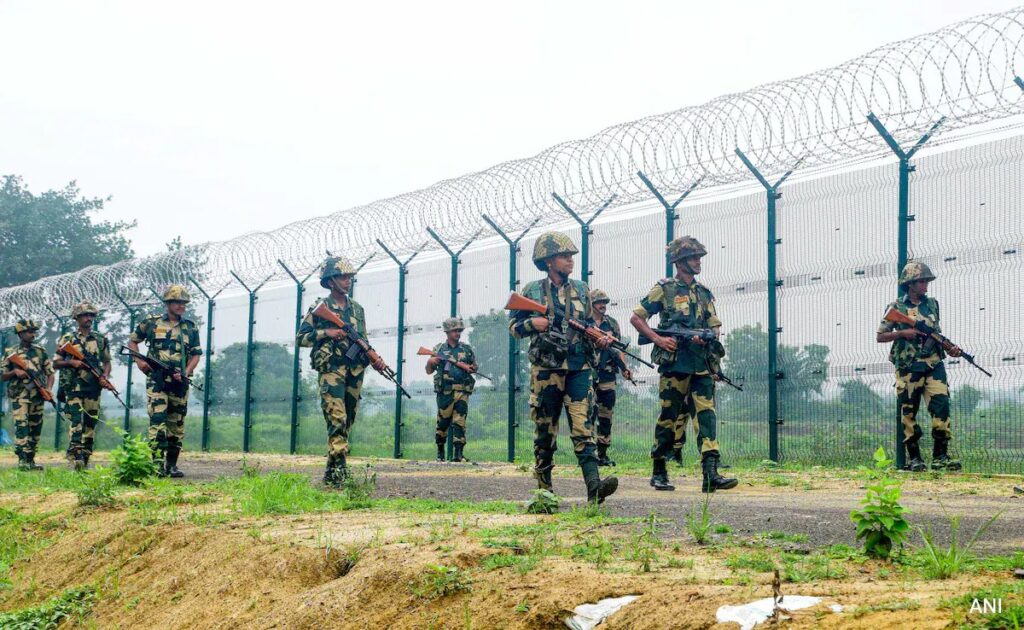
In his election affidavit, the BJP leader said that he only possesses movable assets worth Rs 2.36 crore, while his wife’s wealth amounts to Rs 32.79 crore.






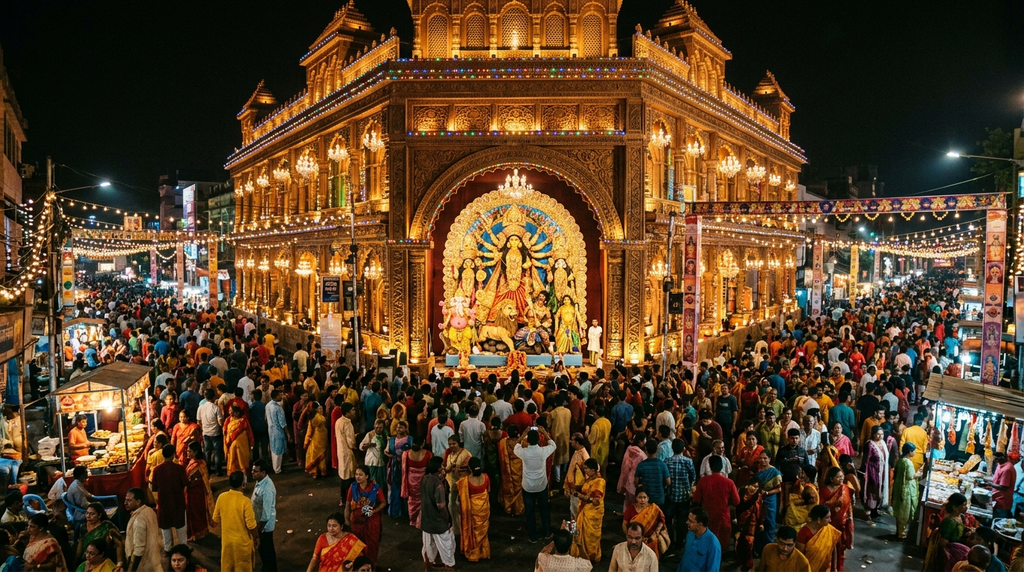
Echoes of Udayagiri: The Architecture of Memory
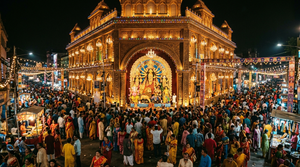
Nandini Sahu There are festivals that one celebrates. And there are festivals that one inhabits. For me, Dussehra belonged to the second category.It did not happen at Udayagiri merely as a festival marked on the calendar. It always came as a smell, a sound, a colour, a kitchen full of steam, six girls fighting over mirrors, new clothes folded carefully on a bed, sweets cooling on steel plates, my mother’s impatient voice travelling from the kitchen to every corner of the house, and my father’s measured voice reading aloud the Sudasha Brata Katha. It arrived with the distant beat of the dhol. And, sometimes, with the sudden, terrible cry of a goat. Even now, after all these years, I can hear both. Udayagiri was our universe then. We did not know that one day we would leave it.We did not know that the house which contained our laughter would eventually become an old, dilapidated structure, slowly surrendering itself to dust, rain, moss, and memory. We did not know that the six daughters would scatter across cities and countries, building lives of our own. We did not know that Baba would one day be gone, leaving behind an absence too large for any house to contain. We only knew that Dussehra was coming. And that meant new clothes.For six sisters, new clothes were not simply clothes. They were an annual declaration that life had been generous to us once again. The dresses would arrive wrapped carefully, and the six of us would examine them with the seriousness of cabinet ministers discussing national policy. Someone’s dress would invariably be considered prettier than someone else’s. Someone would complain that her sister had received a better colour. Someone would hold a dress against herself and turn before the mirror. Someone would secretly touch another sister’s fabric and declare that hers was softer.And then, inevitably, there would be negotiations. Six sisters meant six opinions, six temperaments, six versions of justice. We were a small parliament without a constitution. The oldest sisters behaved as though they had inherited administrative powers. The younger ones challenged those powers. There were arguments, alliances, accusations, and temporary treaties. Five minutes later, we would be sitting together, sharing something sweet.That was our childhood. We quarrelled intensely and loved instinctively. We were never alone. Perhaps that is why loneliness, when it came much later in life, felt so unnatural.On Dussehra mornings, the house transformed. Maa began cooking long before the rest of us had fully awakened. She seemed to possess an inexhaustible capacity for work. Her hands moved continuously—washing, cutting, grinding, stirring, frying, arranging. The kitchen became her kingdom, and on festival days, we became her reluctant but willing subjects. She was not a euphonic woman. She was rather cacophonic. I must say this honestly because a memoir is not the place for convenient mythology. Maa could be impatient. Her voice could rise. Her instructions could sound like commands issued during a military emergency. If one of us disappeared when work had to be done, she would find her.But beneath that severity was an extraordinary tenderness. She cooked for us. She cared for us. She worked until exhaustion. And on Dussehra, exhaustion seemed to become another ingredient in the food she prepared. We helped her throughout the day, washing utensils, arranging things, bringing ingredients, cleaning, carrying plates, and attending to the endless small requirements of a household preparing for guests. Sometimes we helped willingly. Sometimes we helped because Maa’s eyes told us that refusal would be a foolish experiment. And sometimes we helped while laughing. That laughter mattered. The kitchen was never entirely silent. Someone was always telling a story, teasing another sister, stealing a sweet, being caught, pretending innocence, and then being exposed by another sister.There were cakes, pitha, and sweets made at home. The word cake itself carried a certain magic for us. Today, cakes can be ordered with a few taps on a phone. In our childhood, a homemade cake was an event. Its arrival from the kitchen seemed almost ceremonial. We waited. We watched. We calculated. Could we take one piece? Could we take another? Would Maa notice? She always noticed.There were sweets, too, plates and plates of them. Festival food had an abundance that seemed almost limitless to a child. The house smelled of sugar, ghee, spices, and fried delicacies. The fragrance travelled beyond the kitchen, through the rooms, through the courtyard, and perhaps even into the street. And relatives came. Friends came. Neighbours came. People entered and left, greeted each other, talked, laughed, ate, blessed us, asked us questions, admired our dresses, and commented on how much we had grown. For a few days, our house became a crossroads. Everyone seemed to know everyone. There was no concept of privacy. There was only family. And family, in those days, was a word much larger than it is today. It included relatives, neighbours, friends, visiting elders, familiar faces from the locality, and the invisible network of affection that held a small town together.In the midst of all this movement sat Baba. He was the still centre of our noisy universe. My father was a high-school teacher. But to me, as a child, he was much more than that. He was our benevolent God. Not the distant God of temples. Not the God who sat beyond clouds and listened to prayers from a great cosmic distance. Our God lived in our house. He read. He taught. He protected. He watched. He had faith in his daughters. Six daughters. No son. In a society where the absence of a son could be treated almost as a family tragedy, Baba never made us feel that we were an incomplete family. We were his children. That was enough.On Dussehra, one of the memories that returns to me most vividly is Baba reading aloud the Sudasha Brata Katha and Durga Stotram. We had to listen. We had to sit straight. We had to understand. We had to accept. Those were the
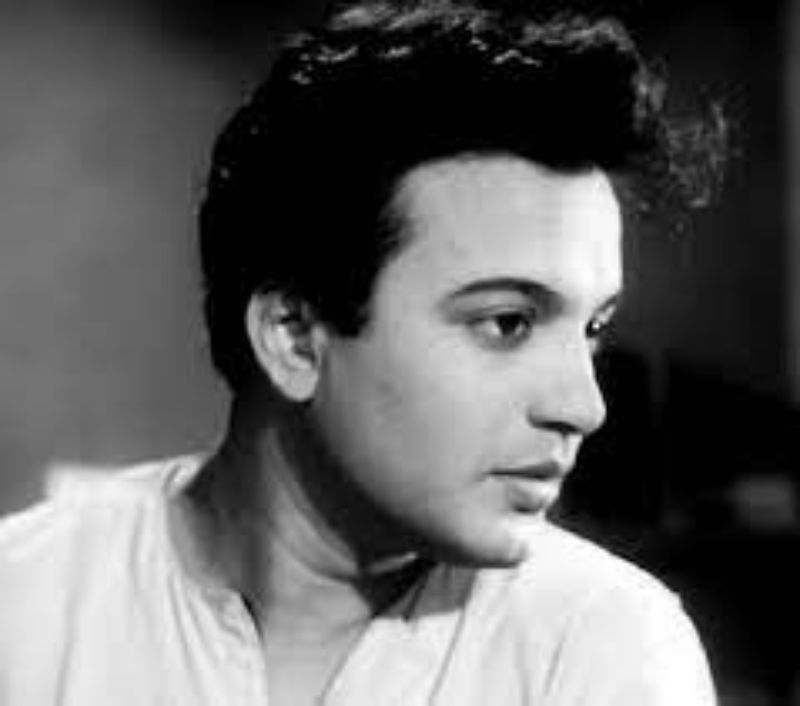
The Eternal Mahanayak: Uttam Kumar
Tapan Dey On September 3, 1926, a boy named Arun Kumar Chatterjee was born in his maternal home. This house was located at 51 Ahiritola Street in North Kolkata. His father, Satkari Chattopadhyay, worked as a film projectionist at Metro Cinema. This job gave the young boy an early window into the magical world of movies. His maternal grandfather lovingly gave him the name Uttam. However, his mother did not particularly like this name and preferred to call him Arun. He grew up in an ordinary middle-class family. He read widely and loved Rabindrasangeet as much as he loved Hollywood cinema. He also cared deeply about sports, food, clothes, conversation, and the vibrant social life of Calcutta.He was a highly active and athletic young man. He swam competitively and became a swimming champion at the Bhowanipur Swimming Association for three consecutive years. He was also a skilled footballer who played in the right-back position. He remained a passionate, lifelong supporter of the Mohun Bagan football club. He even practiced wrestling to build his physical confidence. In 1936, he and his friends founded an amateur theatre group called the Lunar Club. Their very first stage production was Rabindranath Tagore’s famous play Mukut.After completing his graduation, he had to earn a living. He initially worked as a clerk at the Kolkata Court. He later joined the Calcutta Port Trust as a clerk in the cash department. His monthly salary there was exactly 275 rupees. He spent his days surrounded by paperwork while dreaming of a completely different life. He also gave music lessons to earn extra cash for his family. He never let go of his deep passion for acting. He continued exploring his craft through amateur theatre on the side.He finally made his film debut in 1948 with Nitin Bose’s movie Drishtidan. His cinematic journey was incredibly difficult at first. His debut and his next six to nine releases failed miserably at the box office. The film industry cruelly gave him the mocking nickname Flop Master General. He faced constant rejection and almost quit his acting dream. However, the spiritual master of his maternal family, Sripurna Sanyasi, saw his beautiful smile. The master predicted that the entire country would one day recognize him simply by the name Uttam.That beautiful prediction finally started to come true in 1952. He found his first real breakthrough in Nirmal Dey’s film Basu Paribar. This movie also starred Sabitri Chatterjee, Supriya Devi, and Bhanu Banerjee. The very next year, in 1953, a single year changed his entire life. He starred opposite the legendary Suchitra Sen in the beloved comedy Sharey Chuattar. The film became a massive superhit. Audiences instantly fell in love with their magical on-screen pairing. They reached the absolute height of their success together with the 1954 blockbuster Agni Pariksha. Every director wanted to cast them in their movies. They quickly became one of the most successful screen couples in the entire history of Bengali cinema. Uttam deeply respected Suchitra Sen’s immense talent. He gladly agreed to have her name appear before his own on film credits and publicity posters.Uttam Kumar was not just a natural talent who got lucky in life. He manufactured himself into a brilliant actor through pure observation and strict discipline. He carefully studied international stars like Gregory Peck, Gary Cooper, Clark Gable, Laurence Olivier, and Marlon Brando. He did not simply copy their glamour. Instead, he absorbed their psychological truth, their use of silence, and their subtle restraint. He became a highly technical actor with a very high emotional quotient. He knew exactly how to use his hands, his posture, his walk, and his famous smile. He understood the rotational angle of his neck and always presented the perfect profile for the cinematographer. He was an incredibly observant man who adapted to every role completely. He remained wonderfully free of any repetitive signature mannerisms.He acted in around 250 films between 1948 and 1981. His profound influence ushered in the golden age of Bengali cinema. He became the ultimate romantic hero of everyday middle-class Bengali life. He redefined masculinity by being a hero who was flawed, who listened to women, and who was not afraid to cry on screen. However, he refused to be trapped in just romantic roles. He pushed his boundaries constantly to show his remarkable range. He played a romantic lead in massive hits like Harano Sur, Sagarika, Shaap Mochan, Sabaar Uparey, Pathey Holo Deri, and Deya Neya. He made audiences fall completely in love with his character Krishnendu in Saptapadi. He also excelled in great comedies like Bhrantibilash, Mouchak, Ogo Bodhu Shundori, and Dhanyi Meye. In Dhanyi Meye, he played a hilarious football fanatic.He bravely took on morally complex and highly challenging characters. In 1959, he played a serious judge in Prabhat Mukherjee’s Bicharak. He played a despicable villain named Bhavesh Banerjee in Bagh Bondi Khela. He fascinated audiences as the morally ambiguous, sharp-witted cop Tinkori Haldar in Thana Theke Aschhi. He made people cry as Ganada in Jadubansha. He played an emotionally wounded man trapped in a failing marriage in Jatugriha. He portrayed the lonely and vulnerable businessman Ananga Dutta in Nishipadma. He was completely believable as a doctor in Agnishwar. He delivered unforgettable performances in Saheb Bibi Golaam, Chowringhee, Marutirtha Hinglaj, Shesh Anko, Ekhane Pinjar, Nagar Darpane, and Chhadmabeshi.Many Bengali children in the 1980s and 1990s grew up in strict households where parents vetted their movies. Tapan Sinha’s Jhinder Bandi and Satyajit Ray’s Chiriakhana were rare exceptions allowed for children. In Chiriakhana, Uttam brilliantly played the famous detective Byomkesh Bakshi. Many fans truly discovered his genius later in life through VHS tapes of his old films. Watching films like Agnishwar, Bagh Bondi Khela, and Nayak became a beautiful discovery. For some, watching Nayak alongside Ray’s other films like Seemabaddha and Agantuk became an annual cinematic ritual.His most celebrated collaboration was indeed with Satyajit Ray in the 1966 masterpiece Nayak. Ray wrote this film specifically with Uttam Kumar in mind. Ray confessed that he
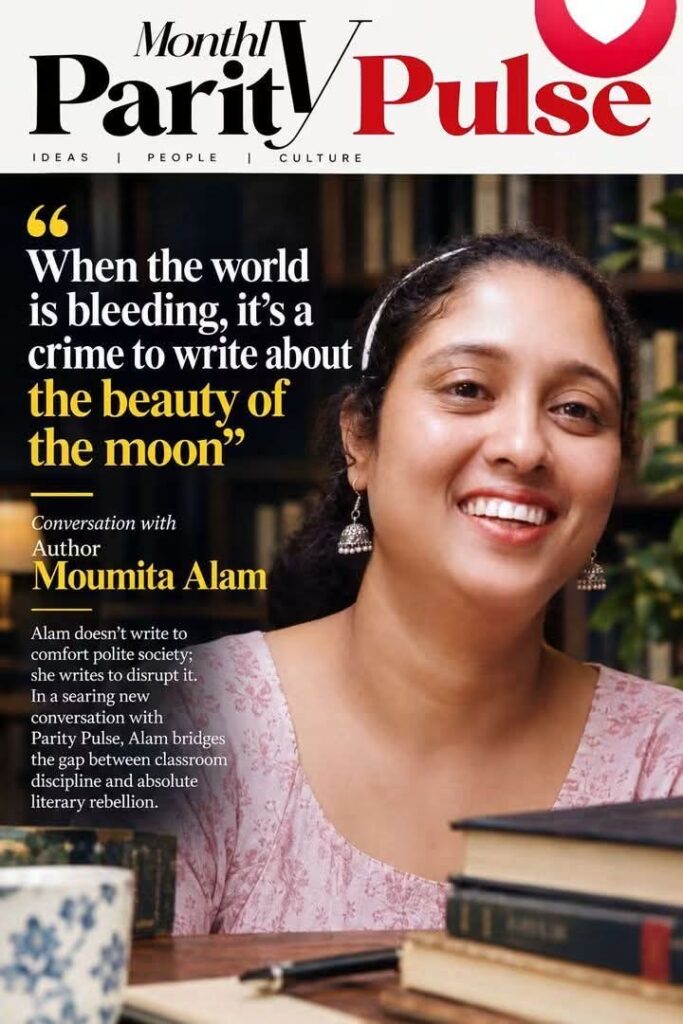
When The World is Bleeding, It’s a Crime to Write About The Beauty of The Moon: Moumita Alam
Author Moumita Alam doesn’t write to comfort polite society; she writes to disrupt it. In a searing new conversation with Parity Pulse, Alam bridges the gap between classroom discipline and absolute literary rebellion. You exist in two very different worlds. The classroom demands discipline, while your poetry demands absolute rebellion. Do these two identities ever clash? Ans: I don’t think these two worlds are different. Both these worlds need dreams, dreams for a better tomorrow, dreams for an equal world. Yes, the classroom needs certain disciplines but those never come in my way to the dream for an equal world without oppression. Rather I would want my students to get infected by the dream, i want my students to ask more questions to make the system uncomfortable. You write fiercely about the marginalized. But literature is often consumed by the privileged. How do you stop your work from becoming mere tragedy consumption for the elite? Ans: you are right. This question haunts me too. I don’t think my works are consumed as tragedies by the elites. I don’t think they dare to read my works. My words unsettle them. And I never think my work is done by writing only. I go to the ground, connect people. I dream that someday all the have nots would crush the empire of the obscene riches. That brings us to your craft. Systemic oppression is brutal. Do you find that polite, conventional literary aesthetics are simply inadequate to capture this reality? Ans: See I don’t believe in Arts for art’s sake theory. I believe, when the world is bleeding, it’s a crime to write about the beauty of the moon. My poems stink. You are known to be a deep reader. Texts inevitably shape our politics. Which specific historical or subaltern voices do you find yourself arguing with, or leaning on, when you write? Ans: I think my Life has shaped my politics. The struggles of the people around. But I am an ardent reader of the works of Arundhati Roy. But at large I believe it’s the lives and struggles of the people I live with that have shaped and still shaping me. Your poetry is rooted in very specific, local realities. Yet it has gained massive popularity across South Asia. Why do you think your local dissent crosses these transnational borders so easily? Ans: See as humans we might not have the same happiness but unfortunately our pains are the same. I don’t know whether my poems have gained massive popularity or not but if the poems have reached some people then the reasons are we, the common mass, are facing the same authoritarian regime, hatred, fascists and climate crisis. South Asia shares a long, collective history of trauma and displacement. Do you feel the unhealed wounds of our historical past still dictate the systemic exploitation you critique today? Ans: Yes of course. The wounds have never been acknowledged. The first step to healing is to acknowledge the existence of the wounds. But in the sub continent the political leaders all over the spectrum have kept the faultlines alive to draw political mileage out of the faultlines. Germany has holocaust museums. How many partition museums do we have? Society readily labels you a non-conformist. But intellectual defiance carries a heavy personal cost in our part of the world. What does this rebellion look like for you on a mundane, everyday level? Ans: I must appreciate you for this question l. I think this poem answers the question: The Price Of Freedom If you choose freedom you have to pay- they say. I pay for mine. I pay in expletives. My father calls me rebel My mother calls me Bad girl. The society calls me, Fallen And my ex calls me Arrogant bitch. My sister calls me a failure for failing to seduce a husband. My country calls me Anti-national. I call myself a free woman. We live in an era of exhausting socio-political news. How do you confront this daily bleakness without letting despair completely paralyze your pen? Ans: See despair is there. So many things are happening around. As a Nashya Shaikh Dalit Muslim Queer Woman and a mother of a girl child every identity of mine brings new levels of marginalization, oppression and persecution for me. But I believe at the end of the day what remains is Hope. And I am the witness to my time. Sometimes I feel numb. But Resistance is the only way forward. Beyond the critique, you actively demand an egalitarian society for the present have-nots. Stripping away the political rhetoric, what is the very first psychological shift we need to make as a collective? Ans: This is a very important question. I think capitalism and fascism both need isolation. Both these monsters want us to remain isolated. And the first psychological shift we need is to think of ourselves as “We.” I, Me, Myself—is neo liberal linearity. We need to think beyond “I, Me, Myself.” We need to reach out to each other. So I always look forward to working class people. The middle class is the greatest consumer of hatred and market. This class is the rotten class. But I still find hope among the working class people. Suppose you have a small piece of land in a village you can’t cultivate it all alone. You have to rely on your neighbours for a tractor, for water or for other help. So still in villages you will find people are not that isolated as in cities. Let us look inward. Beneath the rigorous critic and the angry poet, there has to be a core of radical empathy. What exactly sustains that empathy in such cynical times? Ans: My relentless belief in Love. I don’t know how but after every heartbreak, after every failure, after every bad day I wake up to fall in Love again. I never give up on Love. Love in various shapes and forms. Here I would love to quote a line from my poem, Love always wins defeating ruins. Let’s not give up on Love and Hope.
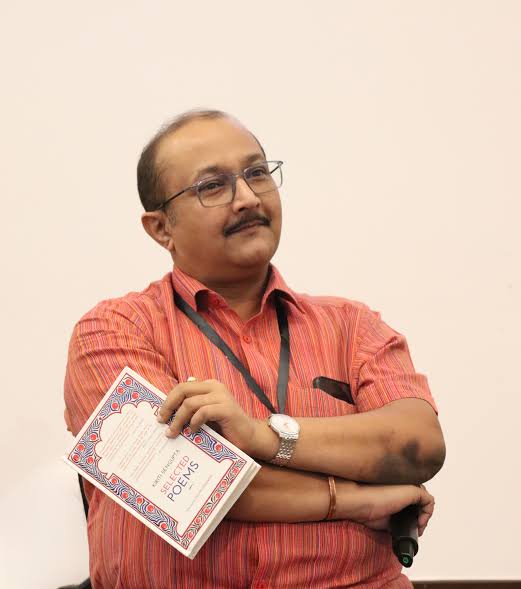
Santiniketan Poems by Kiriti Sengupta
Monostichs, free verse, and prose poems Keep an Eye A sneak peek might reveal what seems invisible. Nourishment Prana endures — mortals require sustenance for survival — music lingers. Radiance Jarul — a dash of pink makes the green even more lustrous by the roadside. Note: The Jarul tree (scientifically known as Lagerstroemia speciosa) is a tropical tree commonly known as the Pride of India or Queen’s Crape-myrtle. The tree is called Jarul (জারুল) in Bengali and Hindi, Tamhan (ताम्हण) in Marathi, where it is the state flower. Radiance 2 The rain had stopped by then, and evening was approaching as people started heading home. The car switched on its headlights, illuminating the earth’s surface in search of light. Lal Bundh Neither the washerman nor the clothes can tell whether they will acquire the scent of the water-lilies. Note: Lal Bundh is a large pond, maintained by Visva-Bharati and used by local washermen. Numerous water-lilies inhabit the pond. Paddy Field AI does not help; it is the sunburnt hands that do. Influence The moon fosters companionship across the earth. Resemblance Water-lilies are often mistaken for lotuses, but they pair better with rice. The lotuses are revered at His feet. Beyond Humanity Working quietly and diligently in the fields, they prepare the soil for sowing. Are they aware of their rights? They are the steers. Ducks Paddling in the water — bathing is no longer a ritual. Saints Unlike humans, ducks preen and oil their feathers before entering the water. Warmth Mustard plants bloom, easing winter chills. Monsoon The sun reveals the true colour of the clouds that make the stars fade at night. The Bauls Do they sing to themselves? Do they view themselves through music? Ask them, and they will sing once more, bringing a touch of life. The single string of the ektara transcends duality. Note: The Bauls are the wandering minstrels; their music and poetry are recognised by UNESCO as Intangible Cultural Heritage. The Dokra Seller She has been selling dokra crafts for years. Her display mostly features a variety of decor pieces, mainly idols. Does she realise that every time she sells a Durga deity, she passes on a bit of Shakti? She certainly has a name, just like everyone else, but no one seems to mind! Mystery Nature often hides small paths within the woods. A Fair Witness Do trees record human history?I wish they did. Keeping a Vigil How can you distinguish an asset from a belonging? Price alone isn’t enough to decide. Outward Shrubs grow densely on the trunk. They do not extend to the roots. Inward A deep fissure in the giant tree nurtures a future colossal specimen. Monsoon 2 Water complements the earth. Trees prevent further soil erosion. Tribal Dance Artists gather around Shiva, fostering unity and reverence. Note: Tribal dance in Santiniketan showcases the Santhal community’s culture, with energetic group movements, traditional red-bordered sarees, and natural beats. The best place to witness these performances live is at Sonajhuri Haat. Pratichi The gate opens to the esteemed home of scholarship. Are random visitors allowed inside? At the entrance, a vendor leverages the reputation for his benefit. Note: Pratichi (meaning “the western orientation” or “the west”) is the ancestral residence of Nobel laureate economist Amartya Sen in Santiniketan. The Mark Dampness indicates movement on the road. Cat Fight It’s difficult to tell whether it’s a real fight or just a play session between two felines. The carpet grass or the rain lilies can attest to the fun they are having. Camaraderie Serenity descends as man and nature synchronise in harmony. In Sonajhuri Forest Honeycomb gains worth. The bees retreat to the hiveas the sun weakens. By the Kopai River The public bade farewell. Deities left at the riverbank stood idle for life. The Fisherman Achieving the goal demands determination.

Edusolve Hosts White Coat Ceremony for Over 250 Future Doctors
Kolkata: Marking the beginning of a lifelong journey in medicine, educational consultancy Edusolve organized a grand White Coat Ceremony for future doctors on September 20. Held at the Utsari Banquet in Eco Park, the event honored more than 250 students with their first white coats and stethoscopes before they embark on their medical education abroad. Bridging the Gap in Medical Education These students, who secured their MBBS admissions through Edusolve, will soon travel overseas to study at prestigious institutions such as the International Higher School of Medicine, Georgian American University, and Kyrgyz State Medical Academy. The initiative highlights a common struggle for medical aspirants in India. Despite clearing the NEET examination, many students miss out on the limited seats available in government medical colleges. At the same time, the exorbitant fees of private medical colleges remain out of reach for most middle-class families. Edusolve provides a reliable and cost-effective alternative, enabling students to pursue their MBBS abroad. Upon completion, these students can return to India, fulfill the necessary regulatory guidelines, and successfully practice as licensed doctors. Global Guests and Inspiring Alumni The event saw a notable international presence, with representatives from various medical colleges in Kyrgyzstan, including Dr. Daniial, Dr. Kurmanjan, and Mr. Daniiar, in attendance. Special guest HG Gopikanta Krishna Das also graced the occasion. The gathering was made even more significant by the presence of the departing students, their parents, and successful Foreign Medical Graduate (FMG) doctors. Alongside the main ceremony, a ‘Doctors Meet’ was organized. This allowed anxious but excited parents and students to interact directly with practicing doctors who previously went abroad through Edusolve. Currently, over 1,000 Edusolve alumni have successfully returned to India and are working in top government medical institutions, including IPGMER, Calcutta National Medical College (CNMC), RG Kar Medical College and Hospital, and Bardhaman Medical College. These alumni shared their practical experiences regarding studying abroad and transitioning back into the Indian healthcare system. The ceremony culminated in an emotional and significant milestone. The aspiring doctors took their very first medical oath, pledging to uphold the dignity of the medical profession and dedicate their lives to the welfare of humanity. This event clearly highlights the severe demand-supply mismatch in India’s medical education sector. With millions appearing for NEET and only a fraction securing government seats, dreams are often crushed due to the high costs of private colleges. Edusolve is effectively stepping in as a bridge, democratizing access to medical education by providing affordable international alternatives. Sending a child abroad for education is often a point of anxiety for Indian parents. By organizing a ‘Doctors Meet’ and showcasing over 1,000 successful alumni currently working in reputed Indian government hospitals (like RG Kar and IPGMER), Edusolve successfully builds trust. It proves that a foreign medical degree is not just a piece of paper, but a viable, proven pathway to a successful career in India. Traditionally, White Coat Ceremonies are held by medical schools. By hosting this event before the students even leave the country, Edusolve is providing a massive psychological boost. Handing them a stethoscope and having them take an oath instills a deep sense of responsibility, professionalism, and purpose in the students, preparing them mentally for the rigorous years of study ahead. The presence of delegates from Kyrgyzstan and Georgia signifies strong bilateral educational ties. It assures students and parents that the universities are actively involved and committed to the welfare of Indian students, ensuring a safer and more welcoming environment for them abroad.
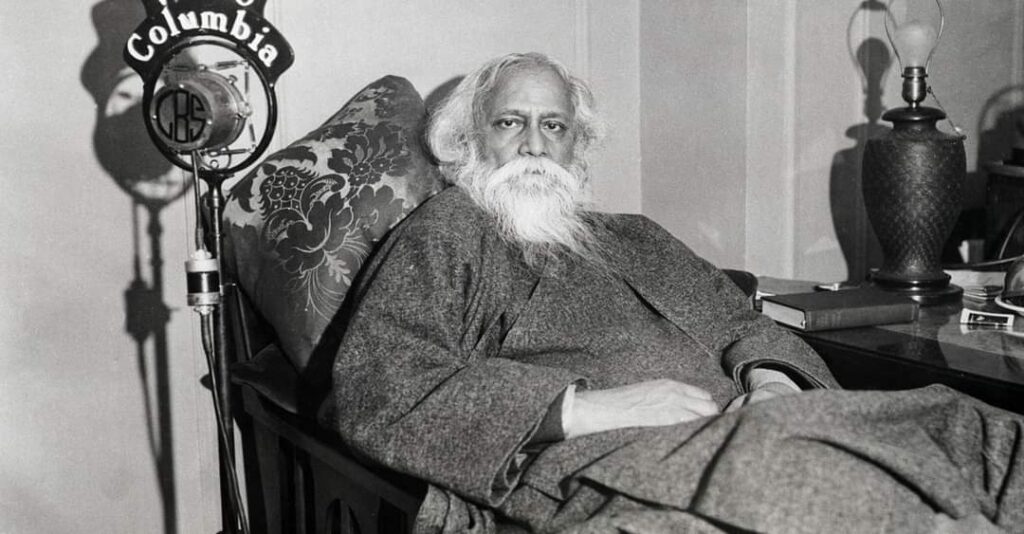
Tagore in England after First World War : A mixed Bag of Dismay and Smug
Somen Sengupta In all of his eight major visits to England between 1883 to 1930 Rabindranath Tagore’s life was blessed with endless memories and enriching wisdom of an universal world that shaped his mind and influenced his world of creativity. Tagore was born and died as British Indian and his passport carried this citizenship of him till the end. Thus knowing England and mingling more with British world of intellectuality was normal to Tagore who like many of his family landed on the shore of England in 1883 as a 17 years old lad seeking admission to an academic institute to earn a degree. Destiny did not give Tagore a degree from any British University but it gave him a beautiful world beyond the normal human can hardly think of. Those two year that he spent in England were not fruitless – His exposure to English and Scottish music, poetry, opera and theatre reshaped him into an universal man of letters – Returning back to Bengal Tagore blended these lessons to his own power of creative skills that finally earned him the ambrosia of immortality as the tallest Indian literary titan of modern times. In his 1912-13 visit to England Tagore won hearts of British readers and social thinkers with his translated collection of poems in English and once his book Gitanjali published by Macmillan hit the stand there was no looking back for Tagore as the first modern literary man emerging from Asia. In 1913 this book earned Tagore the coveted Nobel prize in literature. Tagore with this became the first modern Indian with a global recognition and fame – The era of Gandhi in South Africa was just started unfolding by the same time. Thanks to the outbreak of 1st world war from 1914 to 1918 Tagore could not travel to west and his direct scope of interaction with his contemporary global thinkers got scrapped – In India Tagore was watching the global affairs with extra ordinary interest and ventilating his views in articles and letters. At the last phase of 1st world war the history of mankind was practically re-written when in 1917 revolution was broken in Soviet Russia unsettling the rulers of Romanov Dynasty the richest royal family of Europe. Before that Russia’s defeat in the hand of Japan and brutal retaliation of Great Britain over Germany also noticed by the world. When the recovery and solace of 1st world war not in sight the ruthless aggression of British Government in India was too deplorable. Forgetting thousands of Indian soldiers who had fallen on the foreign battle fields to protect Great Britain , India’s colonial rulers were executing atrocities specially in Punjab. Such was the degree of brutality executed by British in Punjab that on 13th April 1919 at the city of Amritsar bullets were rained on a peaceful gathering of men, women and children without any warning – It resulted a death toll of 300 plus people in 15 minutes. This massacre in cold blood is known as one of the darkest spot of 200 years of British rule in India. Tagore reacted this by disowning coveted Knighthood which was bestowed upon him by the King of England a couple of years back to honor his extra ordinary literary talent. Tagore’s returning of Knighthood was accompanied with a very strong worded protest letter directly addressed to the Viceroy of India. Tagore released the letter in newspaper and it created mayhem across the world – Tough his move was hailed by many people across the border it deeply disturbed most of his friends in England itself – This letter of Tagore was directly underlined as his lack of loyality to British crown under which he was not more than a subject living in a colonized land. There was another reason that badly dented his popularity in England and it was nothing to do with political gambit. After Gitanjali Tagore translated two more books of him in English. One was Gardener and other one was The Crescent Moon. Sadly both did very bad commercially and Tagore as an author was not highly demanded among readers. On 15th May 1920 Tagore boarded ship named Merca from Bombay to England with a plan to visit France, Netherland, Belgium and finally USA. He was accompanied by his son Rathindranath, daughter – in – law Pratima and a few more. Tagore reached Plymouth port of England on 5th June and from there on 6th June 1920 Tagore and his family members arrived at Paddington station of London. He was welcomed at station by his old friend painter William Rothenstein and his family. Tagore and his team checked in Kensington Palace Mansion hotel. Soon Tagore’s news of arrival was started spreading and a plethora of people started meeting him with invitation of lunch, discussion, literary session, poetry reading , musical events and formal speeches. Such was his initial engrossment in London that he in a letter to Dinabandhu Andrews wrote “…Do not expect long letters from me, or indeed anything else.The fury of social engagement is on to me.” From London Tagore visited places like Oxford, Bristol, Cambridge, Petersfield, Mayfair and many other locations. People in England received him well but he found the previous warmness and cordiality are pathetically missing this time. England hailed Tagore in 1912 with open arms but this time there is a thick wall of discomfort between him and common British people. Soon Tagore realized that his stand against British Government back in India has culminated a deep patch of apprehension about him to the British subject. Tagore was really heartbroken when he failed to convince his friend Rothenstein regarding the influence on the liberal mind of artists and painters working under the patronage of Government. While Tagore opined that this is not good for the freedom of expression of the artist Rothenstein then Principal of Royal College of Art and also a close friend of British Prime Minister begged to differ. Tagore realized his