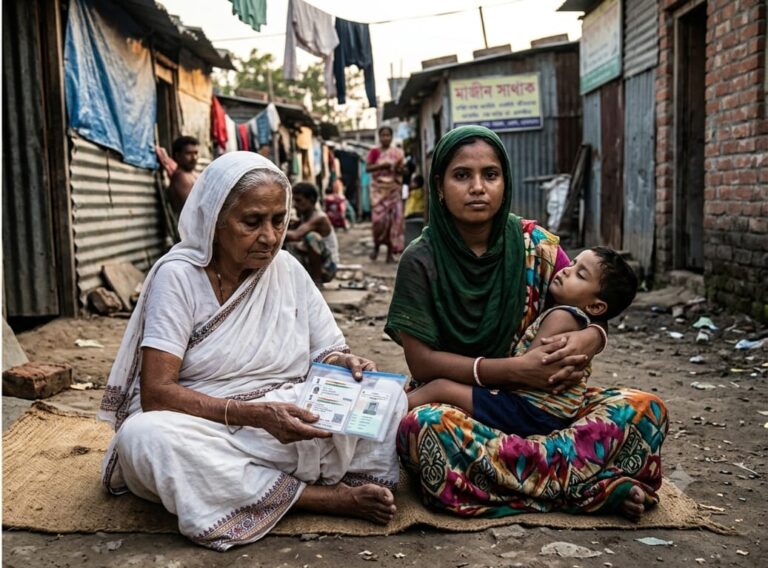
India stands at a critical juncture in its modern history. The nation is growing at a rapid pace. The population demands better infrastructure. The economy requires new avenues for global trade. The government is pushing for massive development projects to meet these needs. These ambitions bring a very heavy cost. The cost is often paid by nature. It is also paid by the poorest communities. The delicate balance between development and conservation is breaking down. Three distinct regions in India highlight this massive struggle. The first region is the Bundelkhand area in central India. The second is the ancient Aravalli mountain range in the northwest. The third is the remote Great Nicobar Island in the deep south. Each of these regions is facing massive transformations. The government calls these transformations necessary for national progress. Local residents and environmentalists call them ecological disasters.
Before you read further…
Get the best & trending news directly in your email for free.
The Ken-Betwa river interlinking project is the first major flashpoint. Bundelkhand is a historically parched region. It spreads across the states of Madhya Pradesh and Uttar Pradesh. The region suffers from severe water scarcity. Rainfall is highly erratic. Droughts are a regular occurrence. Groundwater levels have depleted to dangerous depths. Farmers struggle to grow crops. This leads to massive seasonal migration. People leave their homes to find work in distant cities. The government wants to solve this chronic crisis. The proposed solution is India’s first major inter-basin river-linking project. The plan is to transfer surplus water from the Ken River to the water-deficit Betwa River. This requires a massive infrastructure network. The project features the Daudhan Dam. It includes a long connecting canal spanning two hundred and twenty-one kilometers. It also includes several tunnels and powerhouses.
The financial cost of the Ken-Betwa link is staggering. It is estimated to cost around forty-four thousand and six hundred crore rupees. The government promises tremendous benefits. The project aims to irrigate over ten lakh hectares of parched land. It promises to supply drinking water across at least thirteen districts. The project will also generate much-needed hydropower. The government views this as a game changer for the local economy. Many farmers in Bundelkhand support the initiative. They desperately want assured irrigation. They believe better water supply will stop forced migration. They feel that small local water conservation methods have failed them. They look at the massive dam as their only hope for a secure future.
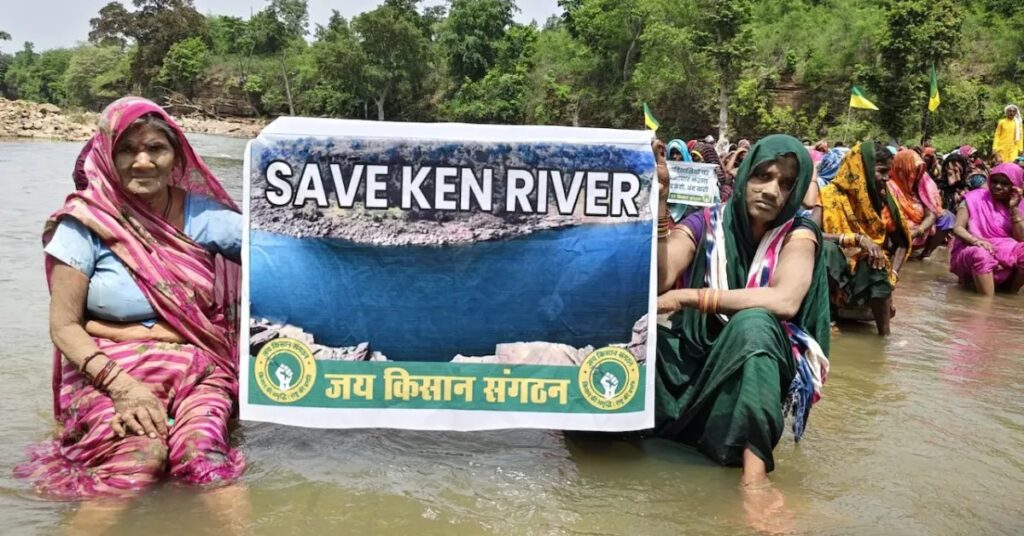
However, the Ken-Betwa project faces fierce resistance. A massive political and social storm is brewing on the ground. Families facing displacement are protesting loudly. They are raising their voices against unfair compensation. A major agitation recently took place in Chhatarpur district. It was led by social activist Amit Bhatnagar. People from affected villages gathered on the banks of the Barana river. They held a long hunger strike. They demanded transparent and lawful rehabilitation. The protesters are not against development itself. They want fair treatment before they lose their homes. They allege severe irregularities in the compensation process. They claim genuine project-affected families were completely left out of official surveys.
The allegations of corruption are very serious. Activists claim that faulty surveys omitted eligible families. They allege that local government records were manipulated. They say Gram Sabha meeting records contain identical entries across different villages. This raises major doubts about the statutory consultation process. Activists also claim that compensation money was given to ineligible people. They say outsiders received crores of rupees. Meanwhile, true residents received nothing. Furthermore, project construction has already begun. The work on the Daudhan Dam is progressing rapidly. This violates environmental clearance conditions. These conditions mandate that rehabilitation must be completed before construction starts. The opposition political parties have supported these protests. Leaders have alleged a massive scam worth hundreds of crores.
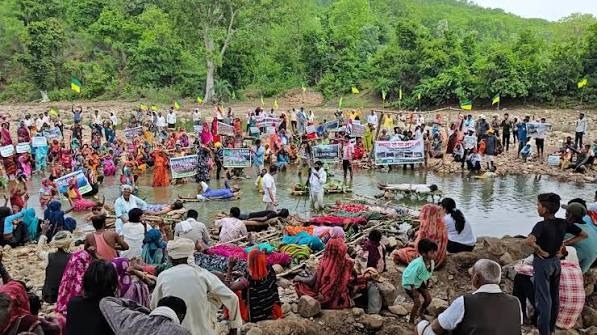
The Madhya Pradesh government strongly denies these allegations. Revenue officials claim that compensation packages are fair. They say almost all eligible families have received their dues. The government admits that some initial complaints were received. They formed new survey teams to address these grievances. The new surveys resulted in additional families getting benefits. The administration claims that land acquisition follows the strict rules of the 2013 law. They insist no true resident is being deprived. Officials argue that many protesters are not even affected by the Ken-Betwa project. They say the protesters belong to other local irrigation projects. The district administration promises to investigate all remaining complaints. They have sanctioned large sums of money to resolve the disputes.
The controversy over the Ken-Betwa project extends far beyond human displacement. It represents a massive clash between development and wildlife conservation. The Daudhan Dam will cause severe ecological destruction. It will submerge a significant portion of the Panna Tiger Reserve. This reserve is a critical habitat for many endangered species. Tigers, vultures, and gharials will lose their homes. Millions of mature trees will be cut down. The dense forest will be fragmented. Environmentalists are deeply alarmed by this prospect. They also question the fundamental science behind the project. They doubt that the Ken River actually has surplus water. Climate change is altering rainfall patterns drastically. Future water availability is highly uncertain. Transferring water could destroy the natural river flow. This would ruin downstream ecosystems in places like Banda and Mahoba. The government claims that compensatory afforestation will balance the loss. Activists argue that ancient forests cannot be replaced by planting new saplings.
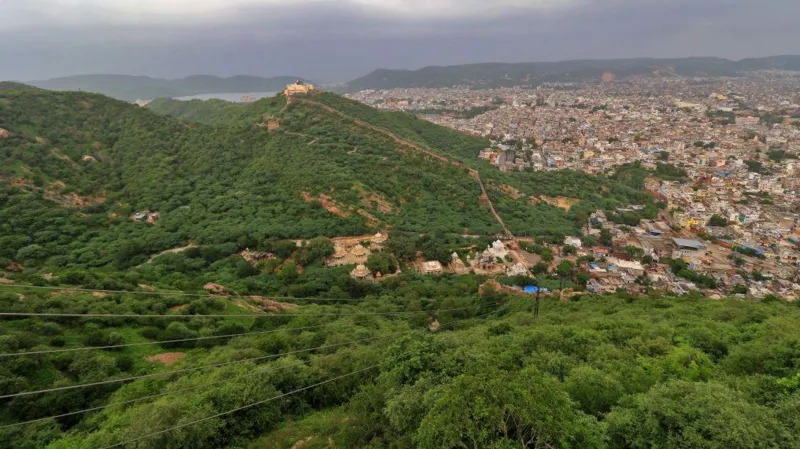
The second major environmental battleground lies in the northwest. The Aravalli hills span across Rajasthan, Haryana, Gujarat, and Delhi. They are among the oldest geological formations in the entire world. These hills are the ecological lifeline of the region. They act as a natural barrier against the expanding Thar Desert. They stop the desert sand from swallowing the fertile plains. The hills are deeply forested in many parts. They play a vital role in recharging groundwater. They also support local livelihoods. Recently, a major legal decision has threatened their existence. The Supreme Court of India accepted a new definition of the Aravalli hills. This definition was recommended by the federal government.
Under this new rule, a hill must meet a strict height requirement. Any landform must rise at least one hundred meters above the surrounding terrain to be called an Aravalli hill. Furthermore, two or more such hills must be within five hundred meters of each other to form a range. This purely mathematical definition has shocked environmentalists. It ignores the complex ecology of the region. Many parts of the Aravalli system are lower than one hundred meters. These lower areas are covered in scrub forests. They are ecologically critical for preventing desertification. The new height-based definition strips these smaller hills of legal protection. They are now vulnerable to aggressive mining and real estate construction.
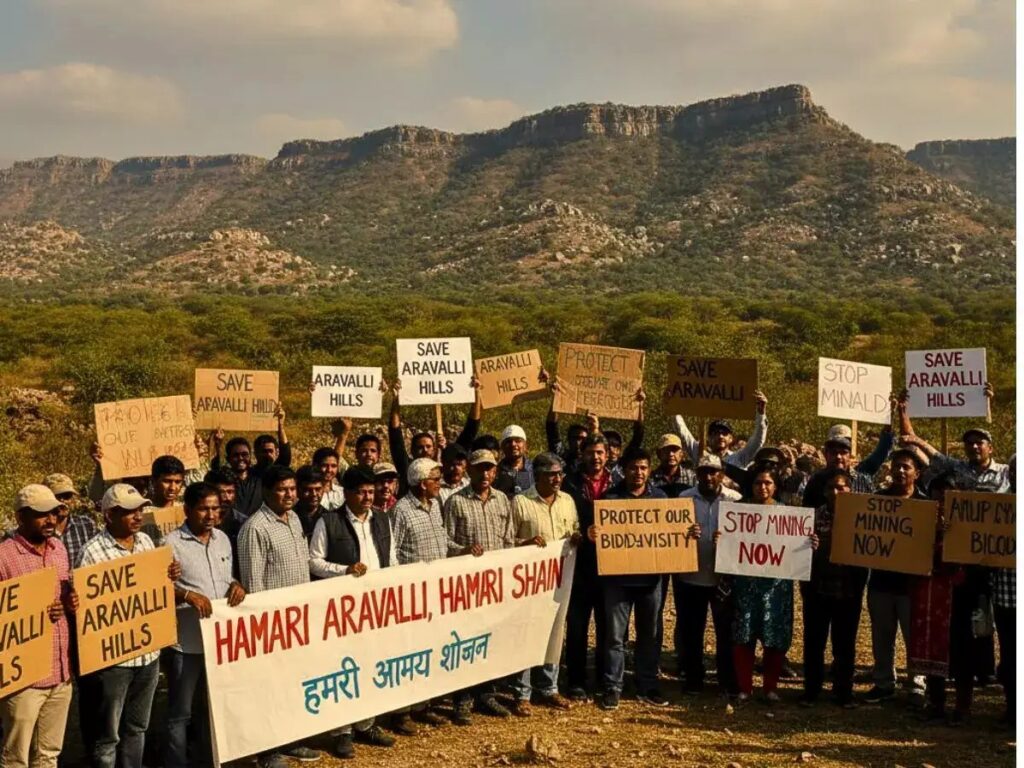
Protests have erupted across major cities like Gurugram and Delhi. Citizens, farmers, and lawyers have joined environmental activists. They are holding peaceful demonstrations against the new definition. They hold placards begging the government to save the Aravallis. Neelam Ahluwalia is a prominent voice in this movement. She argues that the hills cannot be defined by height alone. Their climatic and geological roles are far more important. Vikrant Tongad is another leading activist. He points out that international standards define mountains by their ecological functions. Arbitrary elevation thresholds are dangerous and unscientific. Any landform that is geologically part of the Aravalli system must be protected. Removing protection will invite massive ecological damage.
The political opposition has also criticized the government. Leaders warn that destroying the Aravallis will doom the national capital. Without the hills, Delhi and surrounding areas will choke on dust. The entire region could turn into a barren desert. The federal government defends its new definition strongly. Officials say the new rule brings much-needed uniformity. They claim it actually strengthens regulations across different states. They argue that a single objective definition is required to manage mining properly. The government insists that the new rules cover the slopes and connecting lands. They say it is wrong to assume all lower landforms will be mined.
The environment ministry claims that existing bans remain in place. Mining is strictly prohibited in core protected forests and eco-sensitive zones. The government states that only a tiny fraction of the total range could ever be mined. Even then, strict official approvals would be required. However, the protesting citizens do not trust these assurances. They fear that loopholes will be exploited by powerful mining cartels. They know that illegal mining has already ravaged parts of the Aravallis. The new definition feels like an open invitation for further destruction. The citizen groups are exploring legal options to challenge this definition. They refuse to let the oldest hills in the country be reduced to dust.
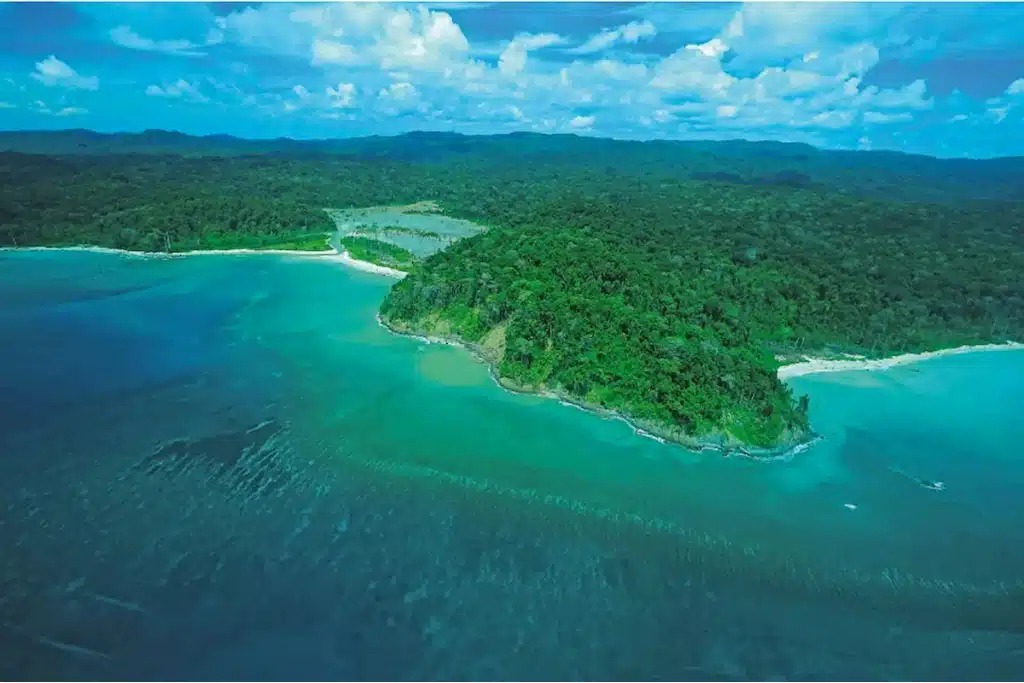
The third and perhaps most ambitious environmental conflict is happening in the extreme south. The Great Nicobar Island is the southernmost point of India. It sits in the deep waters of the Indian Ocean. It is geographically closer to Indonesia and Thailand than to mainland India. This island is an ecological paradise. It features dense tropical rainforests and pristine coral reefs. It is home to some of the rarest flora and fauna on the planet. The island is largely untouched by modern civilization. Less than ten thousand people live there. The indigenous Shompen tribe lives deep within the forest. They are a semi-nomadic hunter-gatherer community. The Nicobarese people also live on the island. They depend heavily on the sea for fishing. Both tribes have lived in harmony with nature for thousands of years.
The Indian government has suddenly turned its attention to this remote island. They have launched an eleven billion dollar mega-development initiative. It is called the Great Nicobar Project. The plan is truly colossal in scale. The government wants to build a massive international transhipment terminal. They want to construct a greenfield international airport. They are planning a large power plant to run these facilities. They also intend to build a new township. This township is designed to house three hundred and fifty thousand people. This would increase the island’s population by four thousand percent. The island is roughly the size of Hong Kong. Pumping such massive infrastructure into this fragile ecosystem is highly controversial.
The government initially framed this project as an economic necessity. India currently depends heavily on foreign ports for transhipment. A huge volume of Indian cargo passes through Colombo, Singapore, and Klang. This results in significant revenue losses. Developing a domestic transhipment hub would save precious foreign exchange. It would attract global investments and create new jobs. The Great Nicobar Island sits perfectly near the East-West shipping route. It is very close to the Strait of Malacca. Nearly forty percent of the world’s containerized cargo passes through this chokepoint. The government wants to capture a share of this immense maritime commerce. They want to build a port that rivals Singapore and Colombo.
As environmental criticism mounted, the government shifted its narrative. They began to emphasize the strategic and military importance of the island. The geopolitics of the Indian Ocean are rapidly changing. China is expanding its naval presence in the region. The United States and Iran are struggling over other global straits. These global tensions highlight the need for secure maritime outposts. The Great Nicobar Island offers a perfect vantage point. It allows India to monitor all shipping traffic entering the Strait of Malacca. Former naval officers argue that this provides a massive strategic edge. A commercial and military setup would enhance India’s maritime domain awareness. It would serve as a powerful sentry against rival nations.
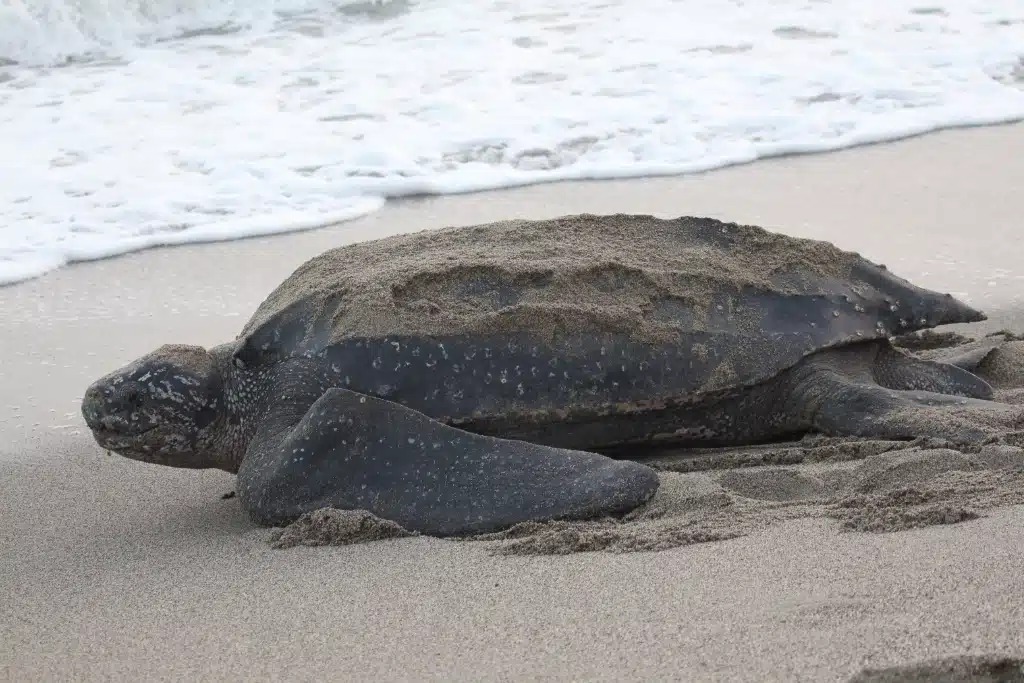
Despite the geopolitical arguments, the ecological costs are terrifying. The project requires the clearing of pristine rainforests. The environment ministry admits that nearly one million trees will be cut down. These ancient trees hold the island’s fragile soil together. The government proposes compensatory afforestation to make up for the loss. Strangely, this afforestation is planned in the northern state of Haryana. Planting trees thousands of miles away does nothing for the island’s local ecology. The island’s biodiversity will be irreparably harmed. The project threatens unique endemic species. It poses a severe danger to the leatherback sea turtles. Great Nicobar is one of their most important nesting sites in the entire world. The massive dredging required for the port will also destroy vibrant coral reefs. Over sixteen thousand coral colonies must be relocated. Scientists warn that such massive relocation is rarely successful.
The human cost of the Great Nicobar project is equally devastating. The massive influx of outsiders will overwhelm the indigenous populations. The Shompen tribe is particularly vulnerable. They have limited contact with the outside world. International experts have issued dire warnings. They say the project could act as a death sentence for the Shompens. The sudden destruction of their ancestral forests amounts to cultural genocide. The Nicobarese community is also protesting fiercely. Their traditional lands are being marked for tourism zones. They are refusing to give up their territory. The indigenous people are filing legal cases to stop the construction. They feel entirely ignored by the planners in New Delhi.
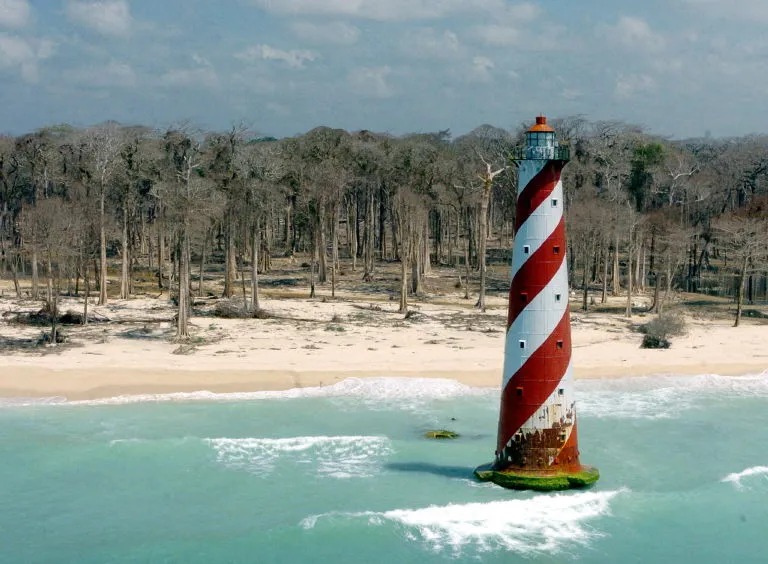
The project also faces immense natural risks. The Great Nicobar Island is located in a highly active seismic zone. It falls under the highest earthquake risk category. The island is extremely vulnerable to severe natural disasters. The devastating tsunami of two hundred and four proved this reality. The tsunami waves caused massive destruction on the island. The southern tip of the island actually sank by more than fourteen feet. The famous Indira Point lighthouse was partially submerged. Building a massive port and a densely populated township in such a volatile area is incredibly dangerous. Critics wonder if the infrastructure can survive the next major earthquake.
Political opposition to the Great Nicobar project is growing steadily. Leaders from the mainland have visited the island to witness the situation. They have spoken with the frightened local activists. They call the project a massive crime against India’s natural heritage. They accuse the government of hiding destruction behind the language of development. Anthropologists and researchers also condemn the plans. They have spent decades studying the island’s delicate balance. They believe the project is essentially a colonial endeavor. They argue that the focus is purely on commercial exploitation. They warn that the promised strategic benefits are dubious. A destroyed island will become a liability rather than an asset.
These three major projects reveal a deep national conflict. India is trapped between the desire for rapid modernization and the need for ecological survival. The Ken-Betwa link sacrifices a tiger reserve for promised irrigation. The Aravalli redefinition sacrifices ancient scrub forests for mining and real estate. The Great Nicobar project sacrifices untouched rainforests and indigenous tribes for maritime dominance. In every case, the government promises immense economic and strategic rewards. In every case, local communities and environmentalists warn of catastrophic long-term damage.
The core argument of the government is always based on human necessity. Bundelkhand needs water to survive. The nation needs uniform mining laws for economic growth. The military needs strategic outposts to counter foreign threats. These are valid and serious national interests. India cannot simply freeze all development. The country cannot ignore the poverty of its citizens. However, the core argument of the environmentalists is equally vital. Development that destroys the life-support systems of the planet is not true development. Cutting down millions of ancient trees alters the local climate. Destroying natural river flows creates new deserts. Displacing indigenous tribes erases ancient human heritage.
The path forward requires finding a genuine middle ground. This middle ground is often discussed but rarely implemented. It requires moving beyond binary choices. It is not a simple choice between a dam and a tiger. It is about designing water systems that respect ecological limits. It is not about banning all mining forever. It is about identifying and protecting the ecologically sensitive zones with absolute strictness. It is not about abandoning maritime strategy. It is about scaling down mega-projects to fit the carrying capacity of small islands.
For the Ken-Betwa project, the government must ensure absolute transparency. Every displaced family must receive fair and prompt compensation. The Gram Sabha consultations must be honest and verified. The environmental mitigation measures cannot remain just on paper. The wildlife corridors for tigers and other animals must be fiercely protected. The natural flow of the river must be maintained to save downstream ecology.
For the Aravalli hills, the government must reconsider the arbitrary height rule. The ecological function of the hills must take precedence over geometry. The scrub forests must be recognized as crucial barriers against desertification. The citizens’ voices in Gurugram and Delhi must be heard. Mining must be restricted strictly to areas where it does not harm the water recharge systems. The oldest hills in the country deserve respect and protection.
For the Great Nicobar Island, the scale of the project needs severe re-evaluation. A four thousand percent increase in population is an ecological impossibility for a small island. The rights of the Shompen and Nicobarese tribes must be the highest priority. Their ancestral lands must remain inviolate. The nesting grounds of the leatherback turtles must be spared. The strategic goals of the navy can be achieved with a much smaller and less intrusive footprint.
India’s future depends on resolving these massive contradictions. The country cannot afford to lose its tigers, its ancient hills, or its indigenous tribes. It also cannot afford to leave its farmers thirsty or its borders insecure. The true test of national progress is not the size of the dams built. It is not the depth of the ports dredged. The true test is the ability to harmonize human ambition with the rhythms of the natural world. The Ken-Betwa, Aravalli, and Great Nicobar projects are pivotal test cases. The decisions made today will shape the geography of the nation for centuries. They will determine whether India becomes a wealthy but barren wasteland, or a sustainable and thriving democracy. The nation must choose the path of ecological prudence. It must choose a path where development does not become a death sentence for the environment.