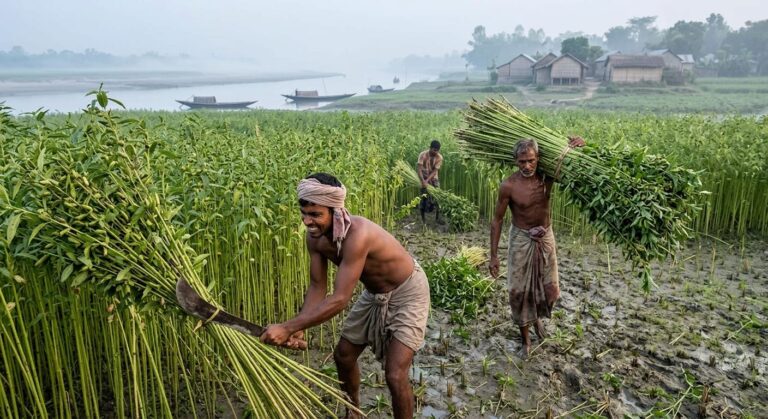
There is a distinct feeling in the air when autumn arrives in Bengal, one that words can barely capture. It begins with the crisp morning breeze, the delicate fragrance of white Shiuli flowers scattered on wet grass, and the gentle swaying of white Kash phool in the fields. This is nature whispering a secret that every Bengali heart already knows: Maa Durga is coming home.
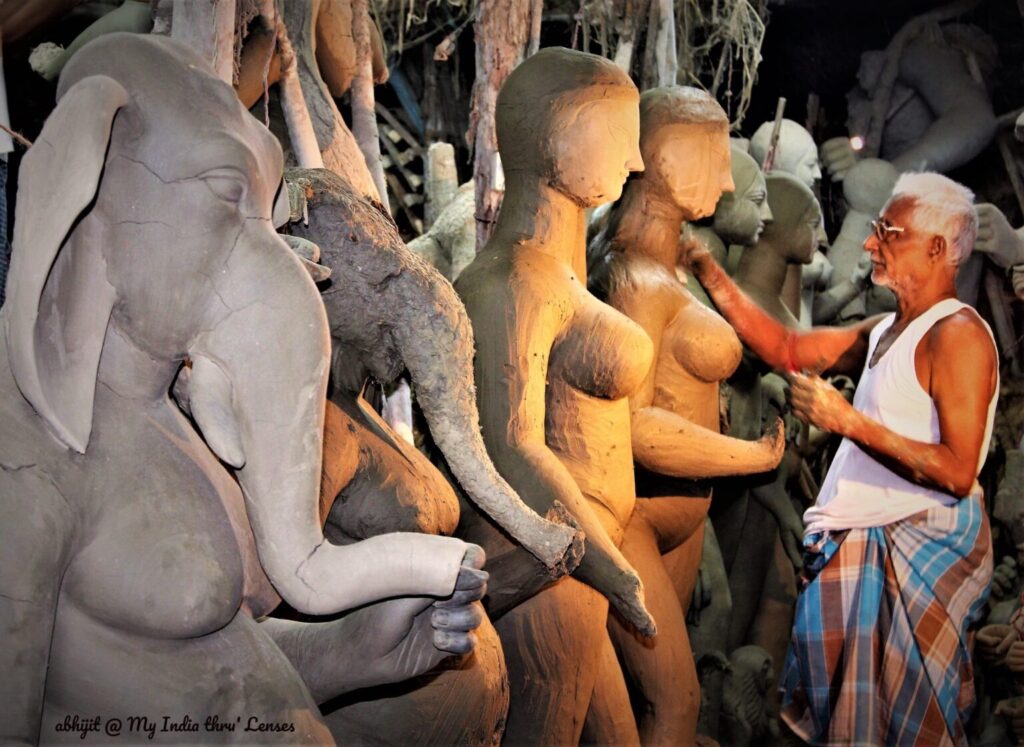
Long ago, ancient texts tell us, the gods combined their supreme energies to create a fierce, ten-armed warrior goddess to defeat the invincible demon, Mahishasura. This is the mythological victory of good over evil. But to the people of Bengal, the emotion is far more tender. She is not just a fierce warrior; she is the beloved daughter returning to her maternal home for a few precious days, bringing her children—Ganesha, Kartikeya, Lakshmi, and Saraswati—along with her.
Before you read further…
Get the best & trending news directly in your email for free.
Historically, this grand celebration was an exclusive affair. Centuries ago, Durga Puja was celebrated in the grand courtyards of wealthy aristocratic families and Zamindars. It was a display of devotion, but also of power and status. However, as times changed, the festival broke free from those palace walls. It became a ‘Baroari’ or community festival, funded and organized by the people, for the people. Today, the entire city of Kolkata and towns across the world transform into massive, open-air art galleries where everyone, regardless of background, belongs.
The true countdown begins on the dawn of Mahalaya. As the soulful voice of Birendra Krishna Bhadra echoes from radios in the early morning darkness, sleep is abandoned, and goosebumps rise. The goddess has been awakened.
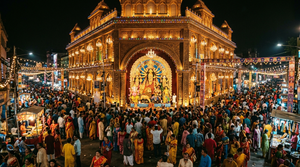
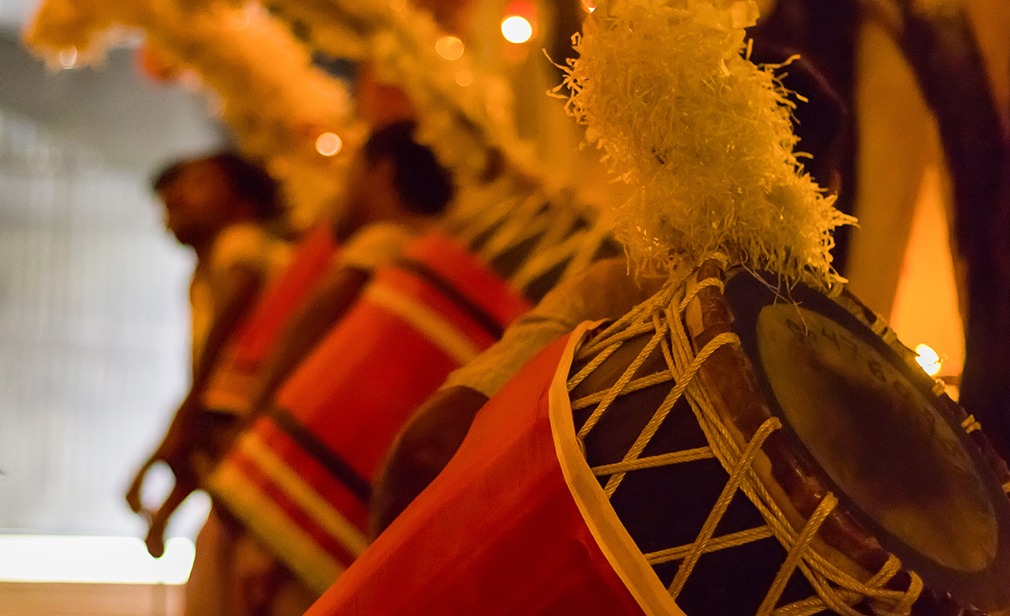
By the time Maha Shashthi arrives, the rhythm of the city changes completely. The hypnotic, thunderous beats of the Dhak (traditional drums) fill the streets, making it impossible to stand still. People step out in their finest clothes, navigating seas of crowds just to glimpse the stunning idols and beautifully crafted pandals.
Through Saptami and Ashtami, the days blur into a beautiful chaos of food, laughter, and togetherness. Ashtami morning is deeply spiritual, with neighborhoods gathering to offer Pushpanjali (floral offerings) on empty stomachs, wearing crisp new sarees and kurtas. It is a time when old friends reunite, new romances spark under the fairy lights, and differences are forgotten over plates of bhog and street food.
But as Navami night ends, a heavy sense of melancholy begins to set in. Dashami, the final day, is heartbreaking. The married women dress in traditional white sarees with red borders and gather at the pandals for Sindoor Khela, smearing each other’s faces with vibrant red vermillion in a joyful yet tearful farewell to the goddess.
As the evening descends, the idols are carried to the rivers for Bisarjan (immersion). When the clay idol slowly sinks into the water, dissolving back into the earth it was made from, there is a collective lump in millions of throats. The festival is over, and the empty pandals feel like silent, lonely houses after a beloved guest has left.

Yet, amid the tears, a resilient and hopeful chant rises from the riverbanks and echoes through the streets: “Asche bochor abar hobe!” (Next year, it will happen again!). And with that simple promise, the wait begins a new.