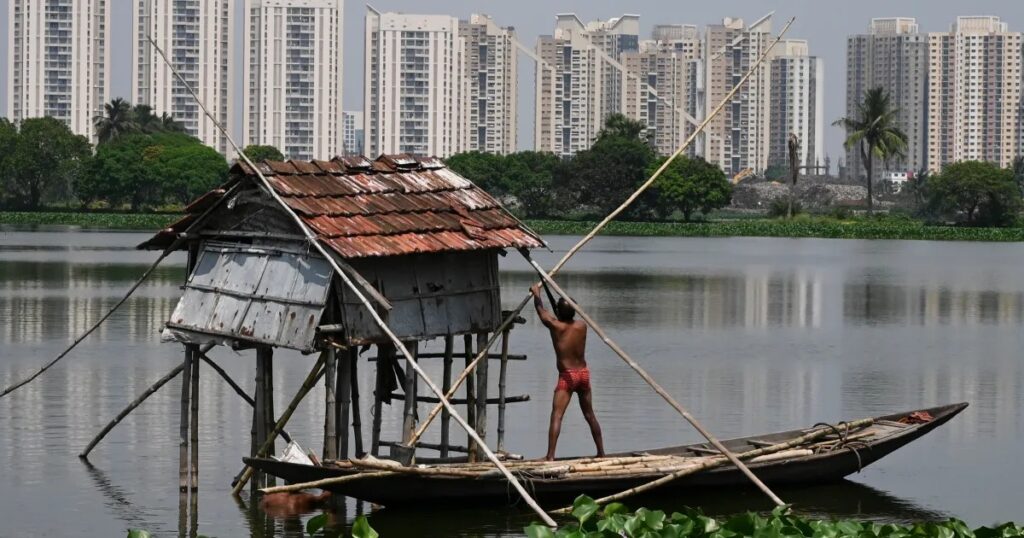
Just beyond the concrete skyline of Kolkata lies one of the world’s most remarkable ecological phenomena—the East Kolkata Wetlands (EKW). Spanning over 12,500 hectares of marshes, agricultural fields, and shallow ponds (locally called bheris), this vast landscape is much more than just a green fringe.
Recognized globally as a Ramsar Wetland of International Importance in 2002, the EKW is famously known as the “kidneys of Kolkata.” It is the world’s largest organic sewage management system, treating the city’s wastewater naturally while sustaining a thriving, complex ecosystem.
Before you read further…
Get the best & trending news directly in your email for free.
Before delving into its wildlife, it is essential to understand how this ecosystem functions. The wetlands rely on a brilliant, century-old indigenous practice. Raw sewage from the city is channeled into the bheris. Here, a combination of intense tropical sunshine and rich algae blooms naturally oxygenates the water and breaks down organic waste.
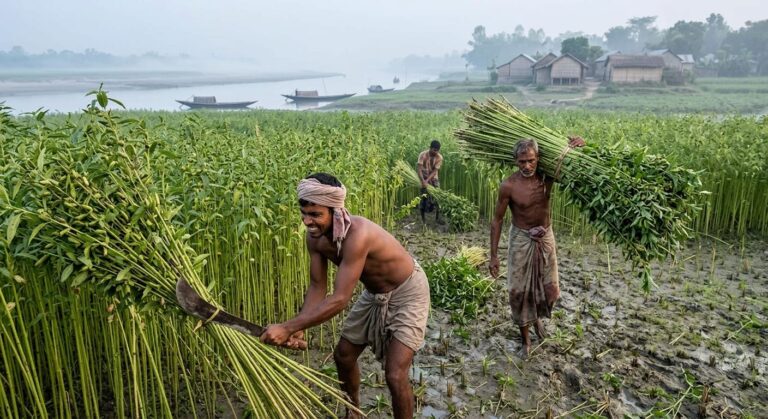
This nutrient-rich water acts as a natural fish feed, supporting a massive aquaculture industry that produces roughly 15,000 metric tonnes of fish annually. The leftover sludge is then used as nutrient-dense organic fertilizer for growing vegetables and paddy. This perfect loop of resource recovery provides livelihood support for approximately 150,000 people and forms the backbone of Kolkata’s food security.
A Thriving Biodiversity Hotspot
Despite being a sewage-fed system positioned next to a megacity, the East Kolkata Wetlands are teeming with life. The varying habitats—ranging from submerged aquatic vegetation to mudflats and emergent grasses—create a sanctuary for an incredible variety of flora and fauna.
For birdwatchers, the wetlands are a hidden paradise. Comprehensive surveys by the Zoological Survey of India (ZSI) and the East Kolkata Wetlands Management Authority (EKWMA) have documented an impressive 264 species of birds. The shallow bheris are vital foraging grounds for the Ardeidae family (herons, egrets, and bitterns), which dominate the landscape. During winter, the wetlands serve as a crucial refuge for migratory waterfowl, wading birds, and waders escaping the harsh northern winters. The presence and abundance of water birds here act as biological indicators of the wetland’s health. While generalist species have adapted well, marshland specialists remain highly sensitive to habitat changes.
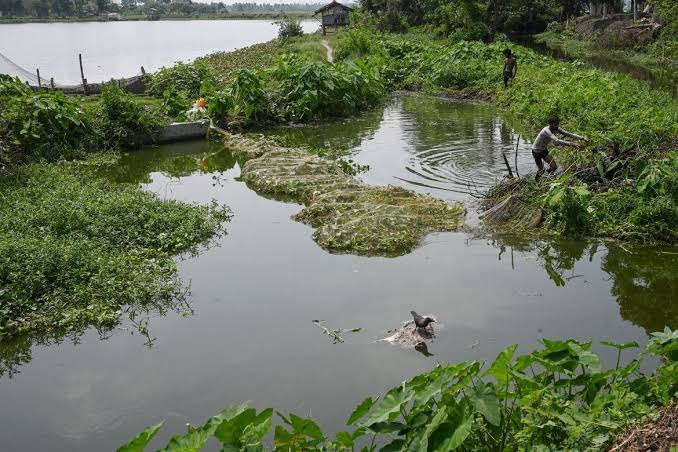
The dense reed beds and peripheral vegetation provide shelter for wildlife rarely associated with urban environments. The star resident is the Marsh Mongoose (also known as the Bengal Mongoose), which was first described from these very wetlands in 1965 and remains an endemic pride of the region. The wetlands also provide a habitat for the elusive Fishing Cat (West Bengal’s state animal) and various civets. The ecosystem supports 19 species of snakes, 9 species of lizards, 1 turtle species, and 10 species of amphibians. The impounded water and submerged vegetation offer perfect breeding grounds for these cold-blooded residents.
The waters themselves are incredibly alive. The bheris act as natural hatcheries for indigenous fish species such as Koi (Climbing perch), Magur (Walking catfish), and Pangasius.
Furthermore, the terrestrial and semi-aquatic zones support over 100 plant species and a fascinating microscopic world. A recent botanical survey recorded 50 species of macro-fungi (mushrooms and bracket fungi), highlighting the area’s role in natural decomposition and nutrient cycling.
The Threat of the Concrete Jungle
Despite its immense ecological and economic value, the East Kolkata Wetlands are under severe threat. The total area of the wetlands has shrunk significantly over the last few decades. As Kolkata expands eastward, there is immense pressure from illegal land conversion and unauthorized infrastructure development. The canals that carry wastewater to the bheris are becoming heavily silted, disrupting the natural flow required to maintain the fish farms. While the system handles organic sewage brilliantly, the increasing influx of industrial effluents, heavy metals, and solid plastics poses a severe threat to both the fish and the wildlife.
Protecting the EKW requires balancing urban development with ecological preservation. Ongoing conservation efforts include dredging the silted canals, planting native species like Phragmites and Typha to restore habitats for amphibians, and constructing solid waste segregators.
The East Kolkata Wetlands are a living masterclass in sustainability. They prove that human survival and ecological health do not have to be mutually exclusive. Protecting this fragile ecosystem is not just about saving birds and fish; it is about preserving the very kidneys that keep the city of Kolkata breathing.